Johannesburg’s 140-Year Mayoral History Reveals Cycles of Growth and Crisis
A recently published book by Christopher McMichael and Philip Harrison examines Johannesburg's mayoralty over 140 years, highlighting how the city's governance has swung between periods of growth, crisis, and stagnation. The authors emphasize the importance of historical perspective to understand current infrastructure decay and political instability, illustrating how different communities experienced these eras differently.
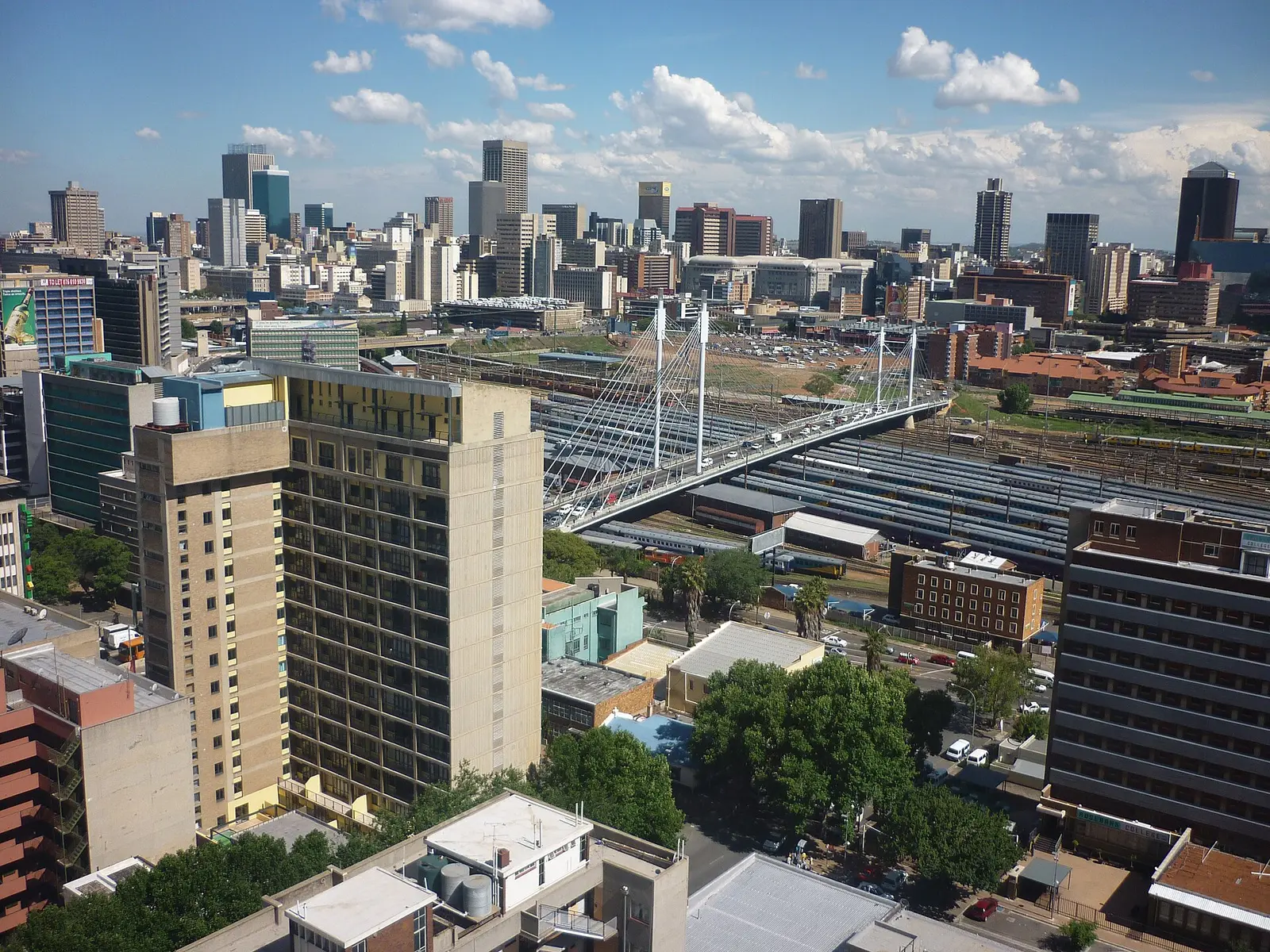
Johannesburg has had 101 mayors over the past 140 years, a history explored in the new book Johannesburg’s Mayors: 140 Years of Making and Breaking the City by Christopher McMichael and Philip Harrison.
The book provides a long-term view of Johannesburg’s governance, showing how the city has cycled through phases of growth, crisis, and stagnation. This perspective is especially relevant amid South Africa’s 2026 local government elections and ongoing governance challenges in Johannesburg.
Harrison notes that while recent unstable political coalitions have worsened infrastructure decay, essential assets like water, power, and roads reflect decades of neglect due to their long lifespans.
The book also highlights contrasting experiences of Johannesburg’s residents during different periods. For example, the 1950s and 1960s were prosperous for the white middle class but marked by repression for Black township residents.
Periods of optimism included the late 1930s mining boom and the early 1970s civic development, though these were often followed by social unrest, such as the 1976 Soweto uprising.
The early 1990s brought hope with the end of political impasse, and the 2000s saw rapid economic growth despite ongoing governance issues.