COP31 Standoff Puts Africa’s Climate Finance Demands on Trial
As COP31 talks run into overtime, Africa’s negotiating bloc is pressing for climate finance that can be measured and accessed, while the latest draft omits fossil-fuel language. The dispute is about more than wording: it tests whether African priorities can shape the final package.
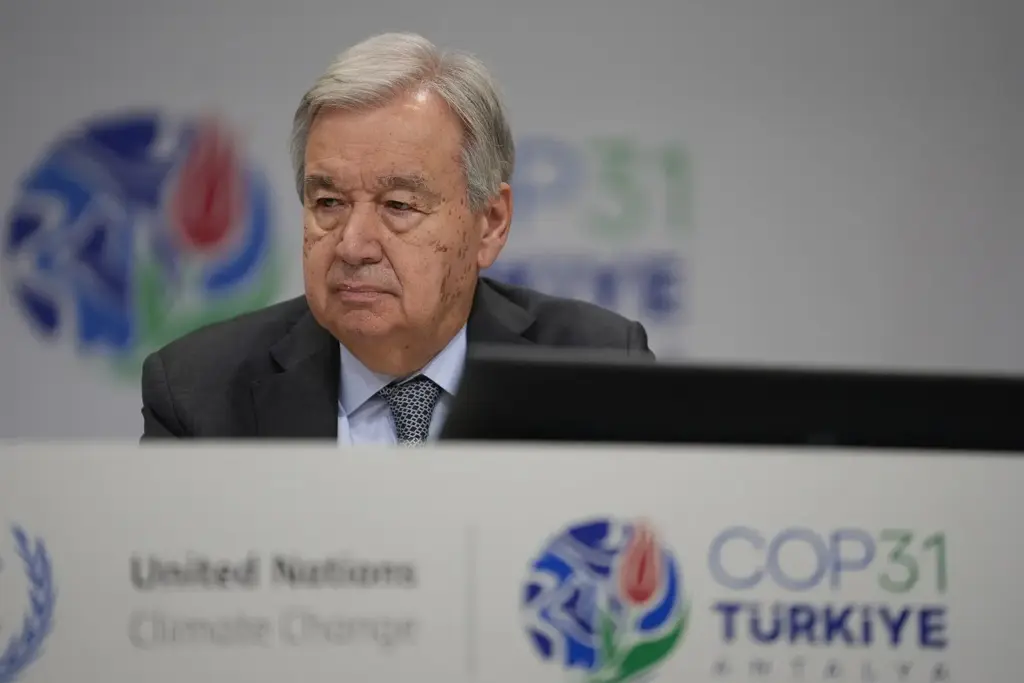
COP31’s closing negotiations have become a test of whether Africa’s climate priorities can survive the final hours of a global deal. As talks in Antalya, Türkiye, ran into overtime on November 22, the latest draft agreement still did not name fossil fuels or set out a detailed, measurable route for delivering adaptation finance. Ghana’s Antwi-Boasiako Amoah, chair of the African Group of Negotiators (AGN), objected publicly to how the bloc’s intervention was handled, saying the process had failed to show respect to the 54 African countries it represents.
At the time of publication, the closing plenary remained contentious and no final outcome had been agreed. The distinction matters: negotiators were still debating the text, and a draft can change. But the dispute already exposes the central African concern. Climate diplomacy is not only about ambitious language; it is also about whether commitments come with predictable resources, access rules and accountability.
Africa is asking for delivery, not another vague promise
African ministers and negotiators have pushed for a time-bound roadmap for adaptation finance, including a transparent baseline, annual milestones and public tracking of progress. That request is practical. A headline funding ambition cannot tell a country how much support will be available, when it will arrive, whether it will be a grant or a loan, or how communities facing climate hazards can access it.
For governments, finance that is difficult to secure or arrives after a project window has closed may have little value on the ground. Adaptation work—strengthening water systems, making infrastructure more resilient, preparing for floods and heat, or supporting climate-resilient agriculture—requires multi-year planning and reliable budgets. Without a reporting framework, officials and citizens have limited means to compare promises with money disbursed and results achieved.
The AGN has called for substantive outcomes on climate finance, adaptation and a just transition. Its position reflects a shared negotiating strategy, but Africa is not a single economy or energy system. Countries differ in their exposure to drought, flooding and heat, in their access to electricity, and in their reliance on oil, gas, hydropower or other resources. A credible continental position has to make room for those differences while insisting that development and resilience are financed fairly.
The fossil-fuel omission is more than a wording dispute
The latest draft’s failure to mention fossil fuels has become a visible flashpoint. The 2023 Dubai climate agreement included language on transitioning away from fossil fuels; the current COP31 draft references earlier decisions but, according to reporting from Antalya, leaves out the terms “oil,” “coal,” “fossil fuels” and “phase out.” The European Union formally objected to the text, and other delegations raised concerns as the closing session continued.
For African countries, the challenge is not simply choosing between an energy transition and energy access. Many governments need to expand reliable electricity, build industry and improve public services, while also reducing climate vulnerability and aligning with lower-emissions pathways. The pace and terms of transition therefore matter. Language that specifies direction without support can leave countries carrying the cost of change; language that avoids the drivers of warming can weaken the credibility of the global response.
That tension makes finance and transition language inseparable. African negotiators have argued that mitigation and adaptation commitments need the means to implement them. Countries can set targets, but electricity grids, clean cooking, resilient transport and climate-proof infrastructure require investment, technology and skills. A final decision that celebrates ambition while leaving financing vague risks widening the gap between plans on paper and delivery in practice.
Voice and procedure are part of the outcome
The confrontation over the AGN chair’s intervention was not a side issue. Multilateral agreements depend on confidence that parties can raise objections, explain their priorities and be heard before consensus is declared. When a bloc representing 54 countries says it was cut off or disrespected, the process itself becomes part of the credibility problem.
Consensus does not require every country to get everything it wants. It does require a procedure that gives parties a fair chance to state their positions and understand how the final wording was reached. A hurried gavel can produce a document, but it cannot manufacture confidence in a deal that participants believe was imposed without adequate discussion. This is especially important where finance obligations, energy choices and national development strategies are at stake.
Africa’s bargaining power comes partly from coordination. Acting through a negotiating group helps countries with different sizes and economic interests articulate common concerns more forcefully. But unity has value only if it affects the text and the decisions that follow. The closing session will show whether the AGN’s request for adaptation finance and meaningful participation is reflected in the package or merely recorded as dissent.
What to watch in the final text
Three questions will matter more than the summit’s closing photo. First, does the adopted decision retain any clear reference to the global transition away from fossil fuels, or does it rely only on indirect references to earlier agreements? Second, does it provide a concrete path for adaptation finance, including a baseline, timelines and a way to track delivery? Third, does the process leave African parties with confidence that their proposals were considered rather than simply acknowledged?
The answers will shape how African governments interpret the agreement and what they press for next. A decision that creates a roadmap with defined steps may not solve the long-standing gap between climate needs and available funding, but it would give countries a basis for measuring progress. A text without those elements could preserve diplomatic consensus while postponing the hard questions that determine whether vulnerable communities receive support.
The next climate summit is scheduled for Addis Ababa in November 2027. That gives Africa an opportunity to host the next stage of negotiations, but hosting alone is not leverage. The continent will need its priorities embedded in the agenda, supported by evidence and carried through a coordinated strategy. COP31’s closing days are an early test of whether that influence is growing.
For now, the outcome remains unsettled. Africa’s message is nonetheless clear: a climate agreement should connect emissions ambition to adaptation resources, transparent delivery and fair participation. The final text will show whether the summit’s negotiating process has treated those demands as central to a workable global deal—or as language that can be left for another year.
Status note: This article reflects reporting available at 12:12 UTC on November 22, 2026, while the COP31 closing plenary was still underway. It does not describe an adopted final agreement.