Africa’s COP31 Climate Finance Push Faces the Overtime Test
African negotiators are demanding predictable climate finance and stronger adaptation support as COP31 talks run beyond their scheduled close. The dispute is about more than wording: access, grants, debt and delivery will determine whether the final package can help countries implement plans at home.
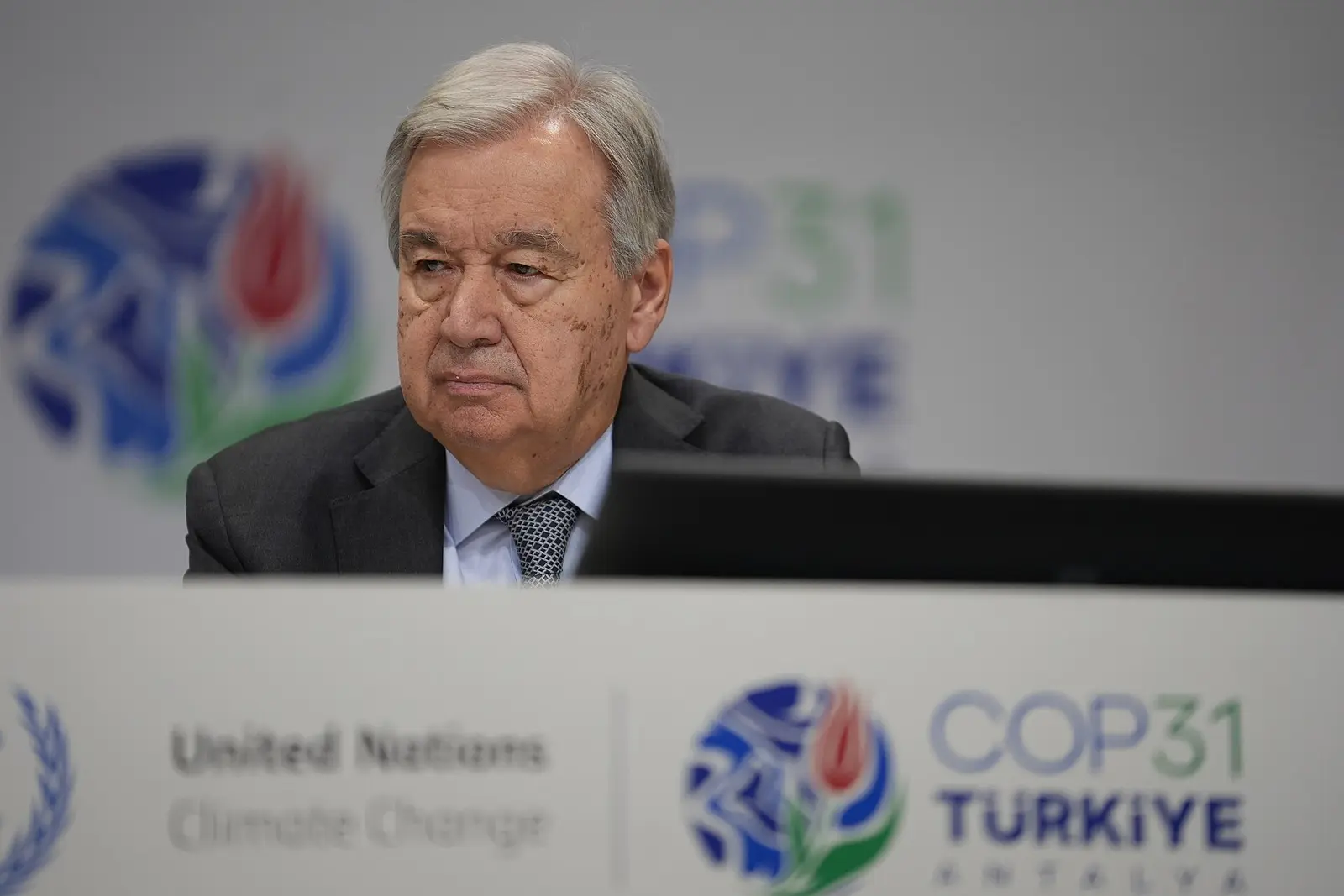
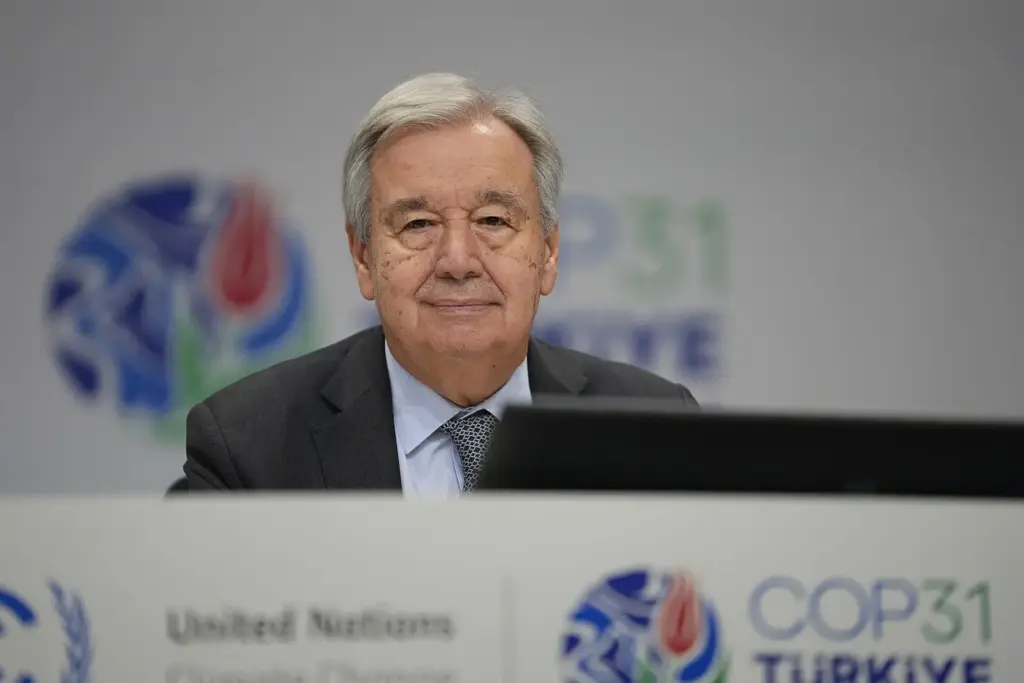
Africa’s climate-finance argument at COP31 has moved into a decisive stretch: negotiators are asking whether the conference can turn familiar commitments into support that countries can actually access and use. The African Group of Negotiators (AGN) has put adaptation finance, a just transition and implementation among its priorities in Antalya. The summit was scheduled to end on Friday, 20 November, but talks continued into Saturday as governments worked toward a final agreement. At the latest verified reporting point, the broader negotiations were still unresolved.
The AGN’s position is not simply a request for a larger headline number. In its public updates, the group has argued that finance should be predictable, accessible and aligned with African countries’ climate plans and development realities. It has also stressed that climate action cannot be separated from technology, capacity and the practical costs of building resilience. That focus reflects a long-standing concern across the continent: a pledge on paper does little for a government that cannot secure funding, prepare projects or sustain them after approval.
Why adaptation finance matters to African governments
Mitigation aims to reduce greenhouse-gas emissions; adaptation helps communities and economies prepare for impacts that are already occurring or expected. African countries need both. Investment in resilient agriculture, water systems, early-warning services, coastal protection and infrastructure can reduce damage and protect livelihoods. The mix differs by country, but in each case the value of a plan depends on implementation, not just its presence in a national document.
Adaptation can also be difficult to finance through conventional commercial models. A flood-protection system or drought-monitoring network may prevent losses and improve public safety without producing a direct revenue stream that can repay a private loan. That makes the terms of international support important. Grants and highly concessional finance can reduce the risk of adding debt to countries already managing tight budgets. Loans may still have a role, but they are not interchangeable with grants, especially when the project’s benefits are public and long term.
These are the kinds of implementation questions behind the AGN’s call for practical outcomes. The group has said that developed-country obligations under the Paris Agreement should remain central to discussions on climate finance. Its stated priorities also include funding for adaptation, support for a fair transition and the means to put national climate plans into effect.
What the negotiation dispute is about
Draft text has been a source of tension. Africanews, reporting with AFP, said an earlier version included stronger language on accelerating the phase-out of coal, oil and gas, while a shorter version released during the negotiations omitted an explicit reference to fossil fuels. African negotiators objected to what they saw as a gap between the scale of the climate challenge and the strength of proposed action. Other governments and groups also criticized the draft, and delegates continued working on revisions.
That disagreement matters to African countries for two reasons. First, they face serious climate risks while seeking reliable energy, jobs and industrial growth. A transition framework needs to recognize those development priorities rather than treat them as an afterthought. Second, the language adopted by governments can shape follow-up work, finance and the political pressure to deliver. A weak text does not automatically prevent domestic action, but it can leave fewer shared commitments against which to measure progress.
At the same time, a reference to fossil fuels is not a substitute for finance. African governments have argued for both: faster emissions reductions and reliable support for adaptation and development. A climate agreement that discusses energy pathways but leaves countries without resources to implement them would not resolve the underlying dispute.
Access is as important as the amount
Even when funds are announced, countries and local institutions can face complex accreditation, project-preparation and approval processes. Small grants for feasibility work, technical assistance and stronger national institutions may determine whether a larger investment can move. The speed of approval, the conditions attached, and whether funding can reach subnational authorities and communities all affect what a climate-finance headline means in practice.
For that reason, measuring finance only by total commitments risks missing the delivery chain. Governments need to know when a pledge becomes an approved programme, when money is disbursed, what share arrives as grants, and which communities benefit. Regular public reporting can help distinguish new resources from relabelled spending and track how much support reaches adaptation rather than mitigation. Those measures are editorial recommendations based on the access and implementation concerns raised by the AGN; they are not claims that COP31 has already adopted a specific monitoring system.
There is also a national ownership question. Funding should support locally chosen priorities and build lasting capacity, not create parallel projects that are difficult to maintain when external support ends. African institutions need a meaningful role in project design, oversight and evaluation. That can strengthen public accountability and help governments connect international finance with national budgets and development plans.
Overtime raises the stakes, not the certainty
The Associated Press reported on Saturday that COP31 had gone into overtime, with negotiators still trying to reach a final agreement. The talks’ extension underscores how difficult it is to bridge disagreements over fossil fuels, finance and other elements of the package. It does not, by itself, tell us what the final outcome will contain. The status can change quickly, so draft language should not be presented as an adopted decision.
For African negotiators, the immediate objective is to keep adaptation and implementation visible as text is revised. The broader test will come later: whether the final decision is followed by predictable resources, easier access, and evidence that national plans are being delivered. The AGN has emphasized that success should be judged not only by agreement in the conference hall but by whether decisions create credible pathways to action.
The location of the next climate summit gives this debate a longer horizon. COP32 is scheduled for Addis Ababa in November 2027, placing the next round of global negotiations on African soil. That does not guarantee Africa’s proposals will carry greater weight, but it creates an opportunity to assess what governments deliver between Antalya and Addis, and to make implementation visible through the continent’s own priorities.
COP31’s overtime is therefore a test of whether climate diplomacy can move beyond declarations. Africa’s negotiators are seeking finance that is not merely announced but accessible, appropriately structured and capable of supporting adaptation and a fair transition. Until negotiators finish the text and governments translate it into funded programmes, the central result remains uncertain. For communities facing climate risks, the measure of the summit will be what reaches them after the cameras leave.