Urban expansion in Nairobi drives tree felling and changes in bird habitats
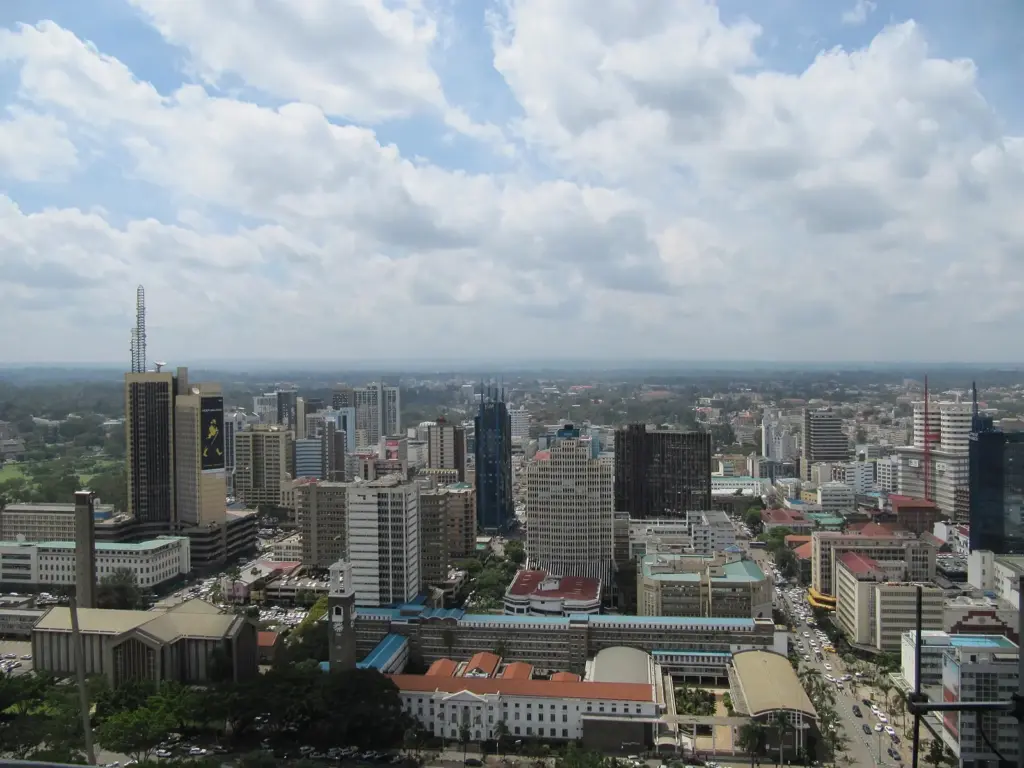
Nairobi's booming construction sector, growing by 6.8% in 2025, is causing widespread tree loss and impacting wildlife habitats. The city's rapid population growth pressures limited land, leading to development in areas with existing biodiversity. Birds like the marabou stork are adapting to urban changes, but environmentalists warn this signals declining urban environmental health. Legal actions have temporarily halted some projects, but many developments continue, threatening Nairobi's green identity.
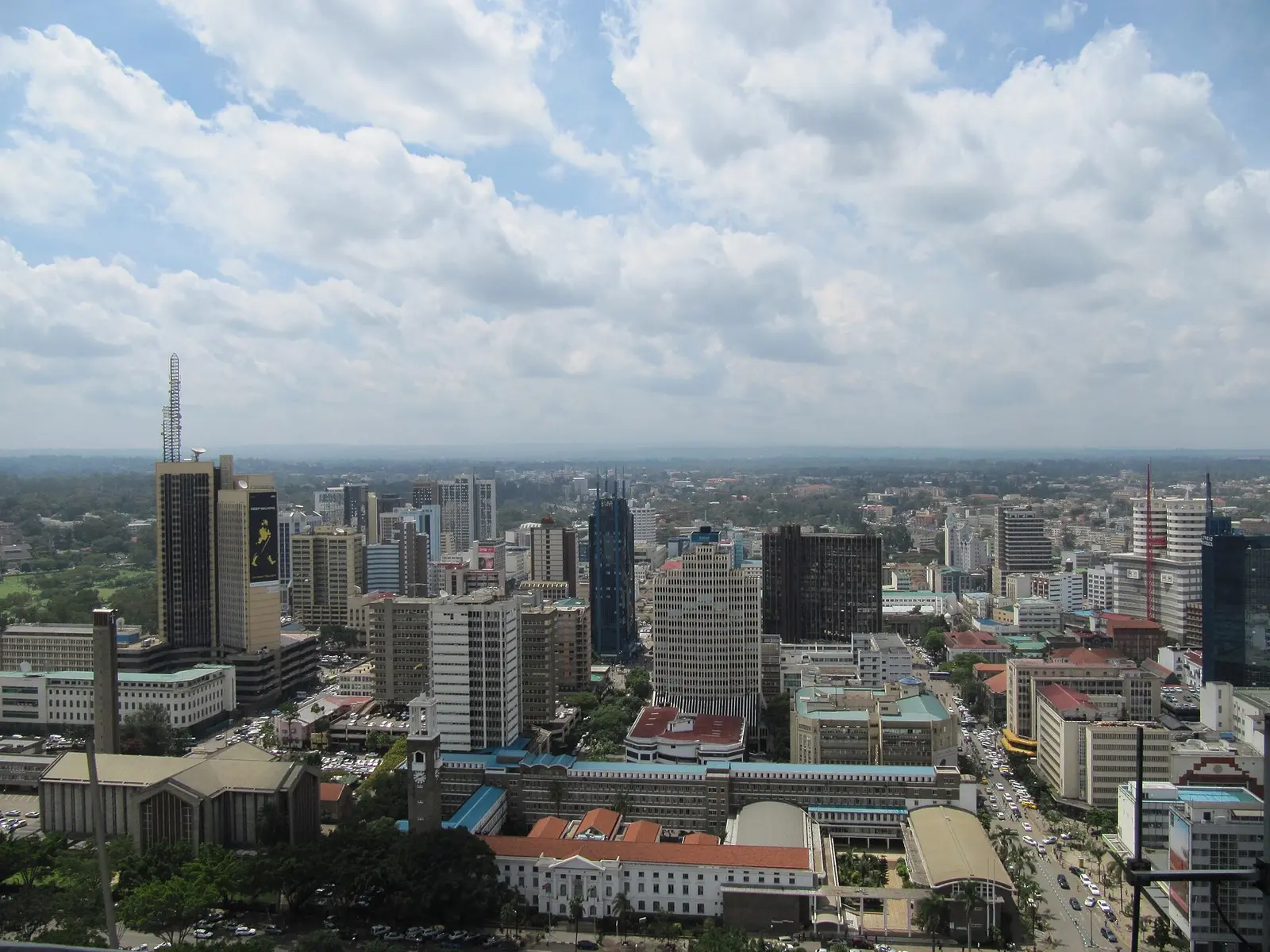
Nairobi’s rapid construction boom, driven by a 6.8% growth in Kenya’s construction sector in 2025, is threatening the city’s green spaces and wildlife habitats.
The capital’s population growth has led to increased building projects, with over 25,000 private building completions in 2025. However, this expansion comes at the cost of felling trees to make way for infrastructure like new roads, reducing Nairobi’s greenery.
Architect and sustainability expert Nickson Otieno highlights the challenge of balancing development with conservation, noting the need to preserve biodiversity where possible despite limited land availability.
Wildlife such as the marabou stork, once nesting primarily in trees, have adapted by using urban structures like billboards and buildings. Ornithologist John Musina explains that bird populations serve as indicators of environmental health, implying that their changes reflect broader ecological impacts.
Environmental concerns have prompted protests and legal actions, including a court order in October 2026 halting a car park project at Nairobi National Park following a lawsuit by thousands of activists. Yet, many other development projects continue across the city, underscoring ongoing tensions between urban growth and environmental preservation.