Quickmart NSE Debut Opens Kenya Retail Market to Public Investors
Quickmart’s listing brings a homegrown supermarket chain into Kenya’s public market. The oversubscribed offer was a sale of existing shares, making governance and future growth the next tests.
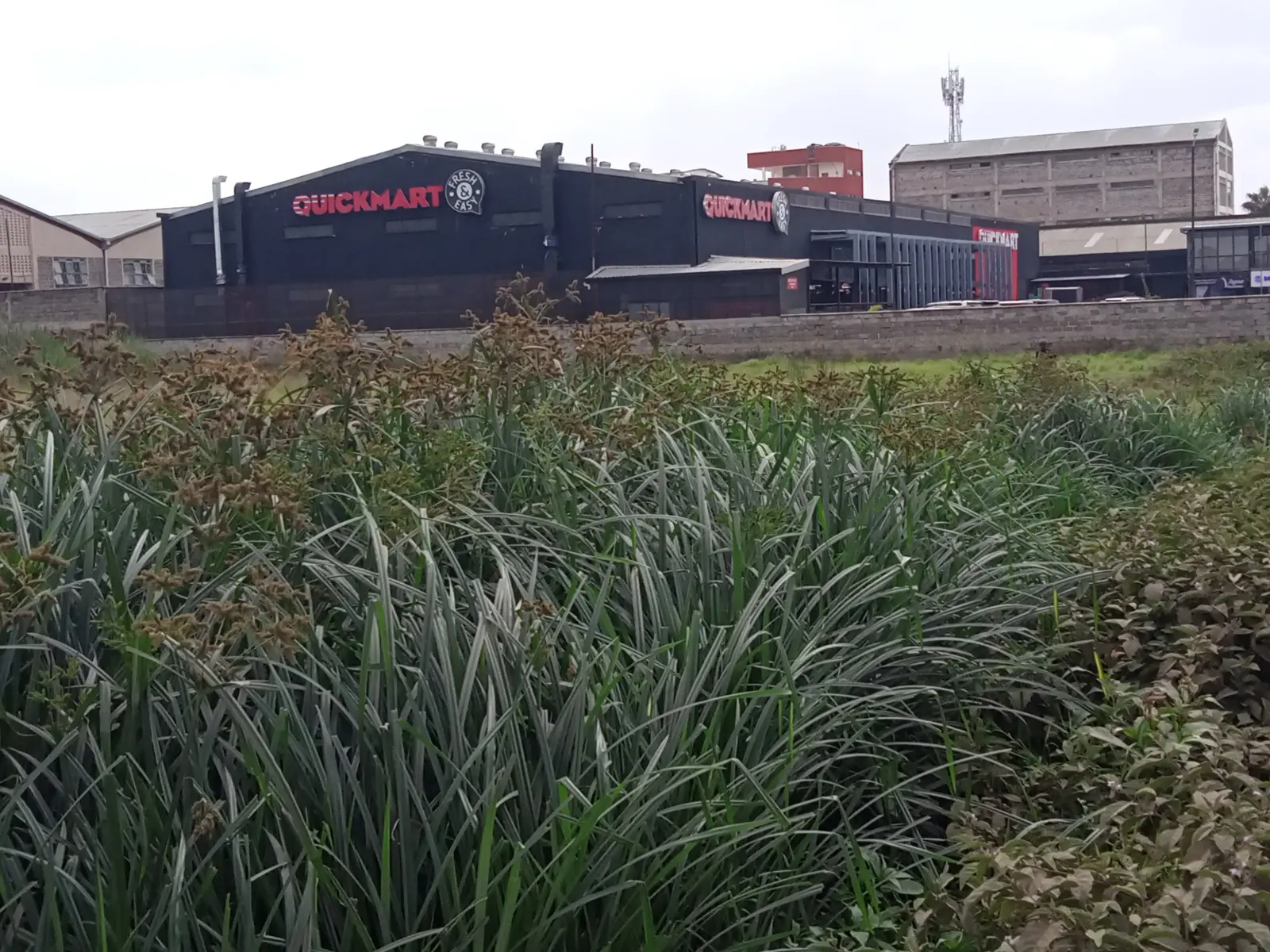
Quickmart’s debut on the Nairobi Securities Exchange is a landmark for Kenya’s grocery sector and a test of how public markets can support the next stage of a homegrown retailer’s growth. The KES 15 billion offer attracted applications worth KES 18.41 billion, a 122.7 per cent subscription level, before the company began trading on November 12. But the structure matters: the offer sold existing shares held through Sokoni Retail Kenya, rather than issuing new shares to put IPO proceeds directly into Quickmart’s operations.
That distinction does not diminish the listing. It explains what the transaction did and what it did not do. Existing shareholders realised part of their holdings, a wider group of investors gained access to the company, and Quickmart became subject to public-market disclosure and scrutiny. The listing can create a platform for future capital-market activity, but any later fundraising would be a separate decision with its own terms and purpose.
What the IPO accomplished
The offer was for two billion existing ordinary shares at KES 7.50 each, representing half of Quickmart’s issued share capital. Adenia Partners and other shareholders sold through Sokoni, which retained the other 50 per cent. Quickmart’s listing press release said all four billion issued shares were admitted to the Nairobi Securities Exchange’s Main Investment Market Segment under the ticker QMRT.
The company reported 18,492 applications worth KES 18.41 billion against the KES 15 billion offer. Demand exceeded the available shares by about 22.7 per cent. Kenyan and East African retail and institutional investors received full allocations apart from a small exception involving founder shareholders, according to the listing announcement. The final allocation also included international cornerstone investors such as the International Finance Corporation, the UK-backed MOBILIST programme, 337 Frontier Capital and RWC Asset Management.
For Adenia, the offer provided a partial exit after years of investment while leaving it and its partners invested through Sokoni. Adenia said Quickmart had grown from nine stores when it first invested in the predecessor business to 72 stores across 16 counties, with FY2025 revenue of US$389 million. Those figures are company and investor disclosures, and investors will now be able to assess performance through public filings over time.
Strong demand is not a verdict on long-term value
Quickmart opened at KES 10 on its first day, above the KES 7.50 offer price, before closing at an average of KES 8.90 on 9.7 million shares traded, Business Daily Africa reported. The closing price remained above the offer, but the move during the session also showed how quickly initial demand and price expectations can shift. First-day trading is a snapshot of supply and demand, not a reliable forecast of future performance.
An oversubscribed offer signals that applications exceeded shares available at the offer price. It does not mean every applicant received the amount requested, nor does it guarantee that the share price will rise or that the company will meet its ambitions. Once trading begins, investors weigh earnings, costs, competition, expansion plans and broader market conditions. The listing creates a public record against which those expectations can be tested.
For retail investors, that means reading the company’s disclosures rather than treating the first-day premium as proof of a sure return. Shares can fall as well as rise, and a supermarket operator faces changing costs for rent, electricity, transport, inventory and wages. Public-market participation can broaden ownership, but it also asks investors to understand the business and the risks associated with equity.
Why a supermarket matters beyond its share price
Quickmart’s economic footprint extends across supply chains. In its listing announcement, the company said it paid an average of KES 5 billion a month to suppliers, more than 70 per cent of whom were small and medium-sized enterprises. It also reported working with more than 700 suppliers and over 14,000 Kenyan farmers, and employing more than 8,000 people. These are company-provided figures, but they illustrate why the retailer’s performance matters to producers and local businesses as well as shareholders.
Grocery stores connect farms, manufacturers and distributors to household demand. A retailer that expands responsibly can create a steadier route to market for suppliers, but growth can also put pressure on working capital, inventory management and payment cycles. Public reporting will give suppliers, lenders and investors a clearer view of how the company manages these relationships as it grows.
The retailer says it aims to expand from 72 stores at the time of the IPO to 125 stores in Kenya by 2030. That target will require site selection, logistics capacity, reliable sourcing and disciplined capital allocation. Opening stores is only part of the challenge: each location must attract enough customers to cover operating costs and maintain a quality of service that keeps shoppers returning.
A public listing brings a new governance standard
One of the most important changes after an IPO is the relationship between a company and its owners. Quickmart’s board chair said the company would be judged by the quality of its decisions, the reliability of its reporting and the resilience it preserves. Those commitments will now be tested through routine financial statements, shareholder communication and the way the board explains major decisions.
Public ownership also makes minority-shareholder protections and equal access to information more visible. Timely disclosures, clear explanations of related-party transactions and transparent treatment of all shareholders are essential to building trust. The company’s large retained shareholder remains influential, so governance practices will matter in demonstrating how the interests of public investors are considered alongside those of the controlling owners.
For Kenya’s capital market, Quickmart adds a consumer-facing business to a year that has already included other listings and public offers. The transaction demonstrates that investor demand can extend beyond the familiar sectors of banking, telecommunications and extractives. Yet a healthy market depends on more than headline subscription levels. It needs a pipeline of firms with credible accounts, understandable business models, good governance and a reason to remain listed after the initial transaction.
The next chapter is operational
Quickmart’s public-market story now moves from offer documents to execution. Investors will watch same-store performance, margins, supplier relationships, inventory discipline, store expansion and the company’s ability to manage costs. Employees and suppliers will look for continuity and opportunity, while customers will judge the business by availability, price and service in their local communities.
The offer’s secondary-sale structure is an important starting point for that assessment. It provided liquidity to selling shareholders and expanded public participation, but it did not itself deliver new cash to fund store construction or working capital. If Quickmart later seeks capital for expansion, shareholders will need to evaluate that proposal on its own merits, including dilution, pricing and the expected returns from investment.
Quickmart has moved from a privately backed growth story to a publicly traded Kenyan company. The oversubscribed debut is evidence of appetite for the shares at the offer price; enduring value will depend on what the retailer does after listing. Consistent disclosure, responsible expansion and durable supplier relationships will determine whether this milestone becomes a lasting example of how Kenyan businesses can scale and use the public market.