Nigeria’s US$500m Resilience Programme Must Prove Its Impact on the Ground
The World Bank has approved an additional US$500 million for Nigeria’s ACReSAL programme, with targets to restore 1.4 million hectares and benefit 6.6 million people by 2031. The funding’s value will depend on whether landscape works are completed, maintained and linked to measurable improvements in flood management, farming and rural livelihoods.
Nigeria has secured an additional US$500 million in World Bank financing for the Agro-Climatic Resilience in Semi-Arid Landscapes project, known as ACReSAL. The programme is intended to restore degraded landscapes, improve water management and strengthen rural livelihoods across 19 northern states and the Federal Capital Territory. By 2031, the World Bank says the additional funding is expected to support work across 1.4 million hectares and benefit about 6.6 million people. These are programme targets, not results already delivered.
The approval arrives amid recurring concerns about floods, erosion, degraded farmland and pressure on rural livelihoods. But the significance of the financing will not be determined by the headline dollar amount. It will depend on what projects are selected, whether restoration works are completed to standard, whether communities can sustain them and how clearly authorities report results. For a landscape programme, the difficult work begins after the funding announcement.
From a financing approval to local projects
The World Bank describes ACReSAL as an effort to scale up climate-resilient landscape management and support stronger institutions. The additional financing will build on a programme that began in 2022. The Bank says that earlier work introduced sustainable landscape-management practices on approximately 550,000 hectares and reached more than 4.4 million beneficiaries. Those figures provide a baseline for the new phase, although they do not by themselves show how much flood risk has fallen or how household incomes have changed.
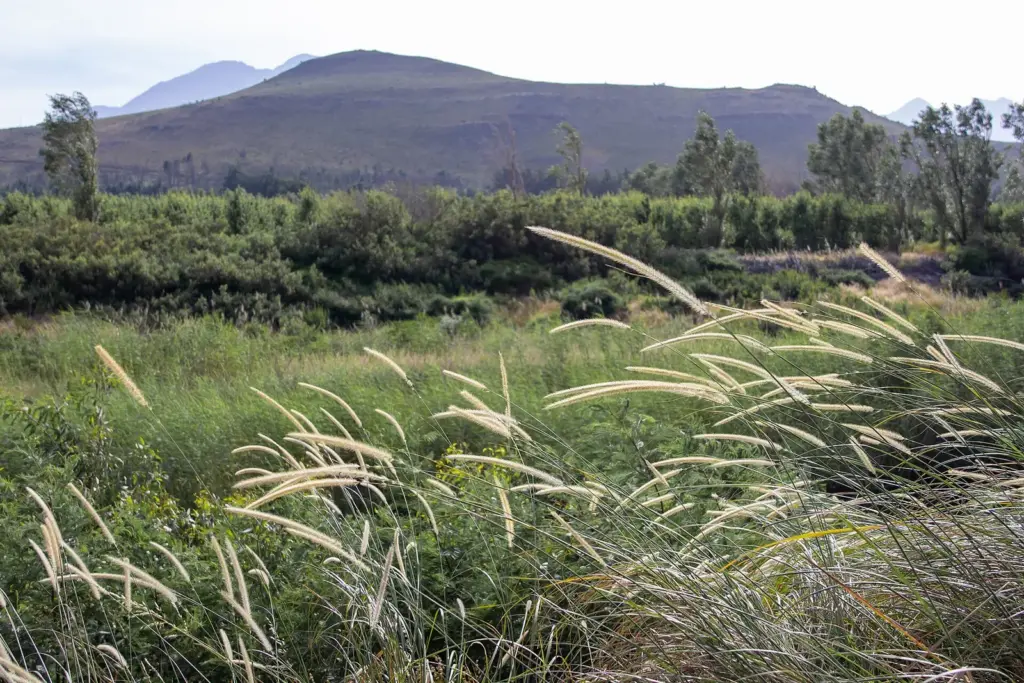
The programme operates across a large and varied geography. The 19 northern states and the FCT include communities facing different combinations of water stress, erosion, flooding, land degradation and agricultural constraints. A measure that works in one watershed may not suit another. Local plans therefore matter: they need to identify the specific environmental problem, the people who depend on the land and water, the intervention chosen and the institution responsible for maintaining it.
ACReSAL’s broad remit includes watershed rehabilitation, erosion and flood management, landscape restoration and rural livelihoods. That breadth can be useful because these issues are connected. A damaged watershed can affect farms, settlements and downstream infrastructure; a poorly designed response can shift rather than reduce risk. But broad objectives also make monitoring more demanding. The public should be able to see what each state or project site is doing and how the activities contribute to the national targets.
Why hectares and beneficiary counts need context
Area restored and people reached are understandable measures of scale, but they are not complete measures of resilience. The quality and duration of the work matter. Hectares counted as restored should correspond to clearly described activities and follow-up checks. A beneficiary figure should explain whether it counts direct participants, household members or people who receive indirect benefits. Without consistent definitions, numbers can rise while it remains difficult to judge whether living conditions or environmental outcomes have improved.
More useful public reporting would connect inputs to outcomes. For flood management, that might include the condition and capacity of drainage or watershed infrastructure, changes in erosion at intervention sites, and evidence about exposure to flood damage over time. For agriculture, the relevant questions include soil health, water availability, farm productivity and whether the gains persist through dry or unusually wet seasons. For livelihoods, reporting should distinguish temporary work during construction from sustained income opportunities.
Those measurements need not promise that a single project can prevent every flood or resolve all rural conflict. Weather variability, land-use decisions and local conditions remain important. But a credible programme can show whether the financed measures reduce particular risks in selected areas, who benefits and what trade-offs arise. Transparent limits are part of good accountability, not an admission of failure.
Maintenance is where resilience is tested
Restoration projects can lose value if infrastructure is not maintained or if land and water systems are not managed after construction. Drainage channels may silt up, protective vegetation may be cleared, and restored areas may face renewed pressure if local livelihoods are not considered. Maintenance requires assigned responsibilities, budgets, technical support and community participation. Those costs should be planned alongside construction rather than left for future administrations or communities to absorb.
Institutional capacity is especially important because ACReSAL spans federal ministries, state authorities and local communities. Coordination affects procurement, safeguards, land access, engineering quality and the resolution of disputes. Clear public documentation of project selection, contractors, timelines and progress can help residents understand what is promised and provide a way to raise concerns when work is delayed or creates unintended effects.
The World Bank says the programme is expected to strengthen institutions responsible for natural-resource management. That goal is central to long-term value. When project support ends, local agencies still need the skills and resources to inspect works, respond to damage and maintain data. Community organizations also need a meaningful role in decisions about shared land and water, especially where livelihoods depend on access to those resources.
Linking flood protection with rural livelihoods
ACReSAL’s development case extends beyond environmental repair. More reliable water management and healthier landscapes can support agriculture, reduce losses and create conditions for more stable rural livelihoods. The World Bank has said the additional financing is expected to improve agricultural productivity and household incomes, while reducing flooding and related fatalities. Those are expected outcomes, not guaranteed effects of the approval itself.
To make the connection credible, the project needs to track who receives benefits and how they are distributed. Farmers, pastoralists, women, young people and communities downstream may experience different effects from the same intervention. Consultation can help identify who might lose access to land or water during works and what compensation or alternative arrangements are necessary. It can also help shape projects around local knowledge that may not be visible in national-level data.
Reducing pressure on natural resources may contribute to fewer disputes between communities, but that outcome depends on more than physical works. Local governance, clear access arrangements and fair dispute-resolution processes matter too. The programme can support those systems, but it should avoid treating conflict reduction as an automatic by-product of land restoration.
The next milestone is evidence
The US$500 million approval gives Nigeria additional resources and a larger set of targets. It does not yet show how quickly money will be disbursed, which sites will receive priority or how the projects will perform through future seasonal cycles. Those are the details that will determine whether the initiative becomes a lasting resilience programme or a collection of short-term works.
For communities, practical signs of progress will be visible: water courses managed with local input, erosion sites stabilised, farmland better protected and maintenance responsibilities understood. For taxpayers and development partners, independent and comparable reporting should connect spending to completed outputs and measured outcomes. Publishing state-level progress against a baseline would make the 2031 commitments easier to scrutinise.
Nigeria’s resilience challenge is too broad for one financing package to solve. Yet a well-executed programme can reduce specific vulnerabilities and strengthen local capacity. ACReSAL’s next phase should be judged by whether its investments endure, whether benefits reach the people most exposed to climate and land pressures, and whether promised results can be verified. The approval makes the opportunity larger; delivery will decide its value.