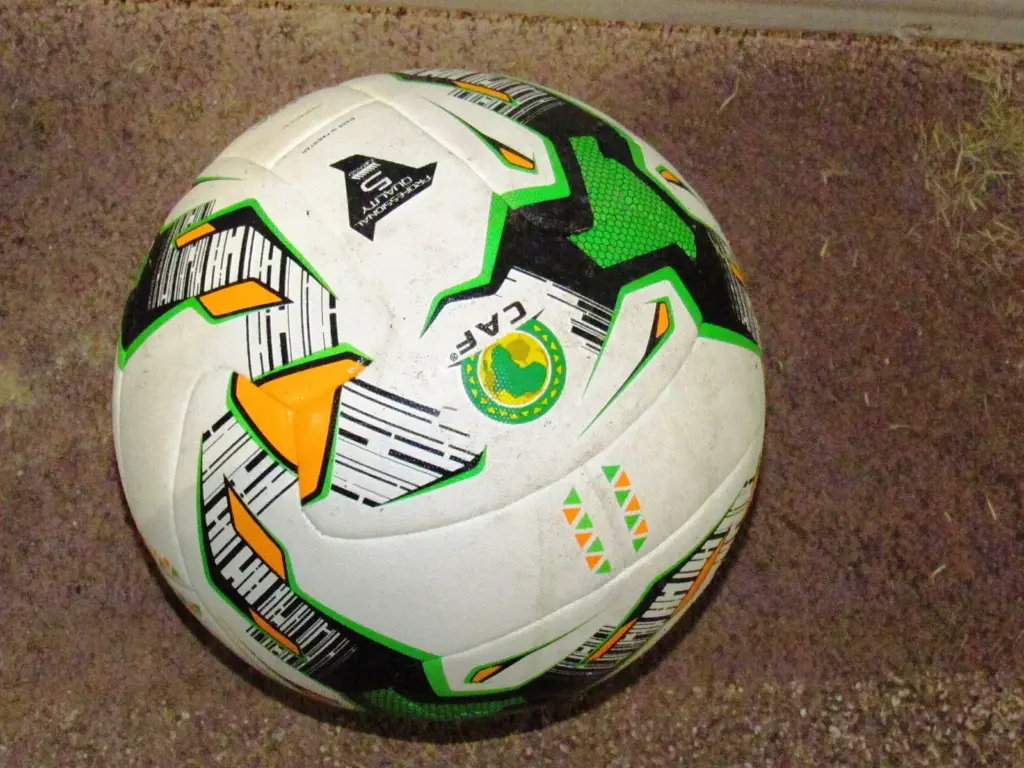
CAF’s Abuja Decisions Put Language and Influence in Play
CAF’s 48th Ordinary General Assembly in Abuja adopted a notable language reform, recognizing Kiswahili as an official language, while its 54 member associations again endorsed Gianni Infantino for FIFA president. The paired decisions highlight two different forms of influence: how African football governs its own institutions and how the continent coordinates its voice in global football. Their long-term value will depend on implementation, not the symbolism of the announcements alone.
At its 48th Ordinary General Assembly in Abuja, the Confederation of African Football (CAF) made two decisions that speak to different dimensions of power in the sport. It recognized Kiswahili as one of its official languages, and its 54 member associations and Executive Committee once again reaffirmed unanimous support for Gianni Infantino’s re-election as FIFA president. One decision concerns who can participate in African football administration in their own language; the other concerns how African football’s collective influence is deployed in a global leadership contest.
+
Both are consequential, but neither is self-executing. Recognition of Kiswahili will matter if it changes how federation business is conducted and understood across the continent. A unified endorsement of a FIFA candidate carries weight because of CAF’s membership, but it also invites questions about how that support is connected to investment, development priorities and accountability. Abuja’s resolutions therefore deserve to be read as more than ceremonial announcements: they set expectations that will need visible follow-through.
+
A language decision with institutional consequences
+
CAF’s announcement says Kiswahili joins French, English, Arabic and Portuguese as an official language recognized under the organization’s statutes. That is an important acknowledgment of the linguistic reality of African football. Kiswahili is used across multiple countries and by millions of people, yet administrative and international sporting institutions often operate through a narrower set of languages. Bringing it into CAF’s official framework can help widen access for officials, players, administrators, journalists and supporters.
+
The next question is practical. Will documents, assembly proceedings, training and communications be available in Kiswahili? Will member associations be able to engage in it without losing the ability to influence decisions? A designation in statutes is a foundation, not the finished work. Interpretation and translation capacity, standardized terminology, trained staff and clear implementation schedules all require resources. If these pieces are not funded, the decision risks remaining a line in a rulebook rather than a change in participation.
+
Language access is not a substitute for good governance, nor does it automatically remove structural inequalities among member associations. It can, however, make institutional information easier to access and lower one barrier to involvement. In a continent with wide linguistic diversity, multilingual administration can also signal that local and regional languages are not merely cultural ornaments but tools for doing the business of sport. CAF’s challenge is to convert that signal into usable services and regular practice.
+
African football’s unified FIFA endorsement
+
The second resolution was CAF’s renewed endorsement of Infantino for the FIFA presidency. CAF says the decision was reaffirmed by all 54 member associations and the Executive Committee. FIFA’s next presidential election is scheduled for 18 March 2027 in Rabat, Morocco, at the 77th FIFA Congress. The timing gives African football a clear position well before the vote, when candidates and confederations will be seeking support.
+
There is a strategic logic to a unified continental position. African associations represent 54 votes within FIFA’s membership, and coordinated support can give the continent a meaningful voice in debates over development funding, competition access and the distribution of decision-making power. In recent years, FIFA has expanded development programmes and the men’s World Cup now includes more teams. Those changes are part of the context in which CAF leaders have argued that the current FIFA administration has been attentive to African football.
+
But endorsement is not itself a development plan. Associations and supporters will reasonably ask what the backing is expected to deliver, how commitments will be measured and whether resources reach grassroots football, women’s competitions, coaching, facilities and governance systems. The Straits Times, reporting Reuters coverage of the Abuja meeting, said Infantino restated a plan to raise FIFA grants for each member association from $8 million to $25 million over a four-year period, beginning in January 2027, subject to ratification by the FIFA Council. Because the decision was not yet ratified in that report, it should be understood as a proposal, not funds already secured.
+
That distinction is important for public accountability. Promised funding can help federations plan, but transparent rules for allocation and use matter just as much as the headline amount. Associations need to disclose projects, procurement and results, and football bodies need independent checks that can build trust with players and the public. A strong relationship with FIFA should give African associations leverage to insist on those safeguards, not diminish the need for them.
+
Representation must come with accountability
+
The Abuja resolutions reveal a broader tension in sports governance. African football seeks greater representation in institutions where decisions affect its competitions, finances and athletes. At the same time, members and fans expect decisions to be open, explainable and responsive to local needs. A united vote can amplify a collective position, but unity is most persuasive when associations can show that the process included meaningful discussion and that the position serves football development across the continent.
+
CAF’s language decision may offer an everyday test of that principle. If Kiswahili becomes part of routine administration, it could support wider engagement from member associations and their communities. If implementation is selective or delayed, the change will be harder to distinguish from symbolic recognition. Similarly, the value of backing Infantino will be measured over time by whether African football obtains reliable development support, stronger competition pathways and a greater say in governance.
+
Neither test can be settled in Abuja alone. CAF will need to communicate implementation plans for Kiswahili and report progress. FIFA’s Council must decide on the proposed funding increase, and member associations will need to account for any resources they receive. Those are concrete checkpoints that supporters can follow rather than relying on statements of intent.
+
What the resolutions mean for the game
+
For players and fans, institutional language policies and presidential endorsements can seem distant from the pitch. Yet they shape who can understand regulations, access opportunities and take part in decision-making. Investment choices determine whether talented young players encounter quality coaching and facilities, whether women’s football receives sustained support, and whether smaller federations can build competitions rather than depend on one-off grants. Governance decisions are ultimately visible in the pathways available to the next generation.
+
Abuja has placed two kinds of representation on the record: recognition of an African language within CAF and a coordinated African position in the FIFA election. The first can broaden access inside the continental body; the second can strengthen bargaining power in global football. Their success will depend on whether each is translated into transparent procedures, measurable commitments and opportunities that extend beyond the executives who attended the assembly.
+
The strongest reading of CAF’s decisions is therefore neither uncritical celebration nor cynicism. Kiswahili’s official status is a meaningful institutional step, while the unanimous endorsement is a clear political signal. Both create responsibilities. CAF must show that linguistic inclusion changes how the organization works, and African associations must use their collective influence to secure accountable investment and durable development. The next year, leading to the FIFA Congress in Rabat, will offer an early test of whether Abuja’s decisions deliver more than headlines.
+
Reporting note: CAF’s resolutions and the endorsement were announced after its 48th Ordinary General Assembly on 21 November 2026. FIFA’s proposed grant increase was reported as awaiting FIFA Council ratification; it is not presented here as an approved payment.