Dangote’s Ghana Cocoa Proposal Puts Local Processing Ambitions to the Test
Ghana’s finance minister says the government is reviewing a proposal from Aliko Dangote to process 500,000 tonnes of cocoa locally. The talks could support Ghana’s value-addition ambitions, but no agreement has been signed and key commercial details remain undisclosed.
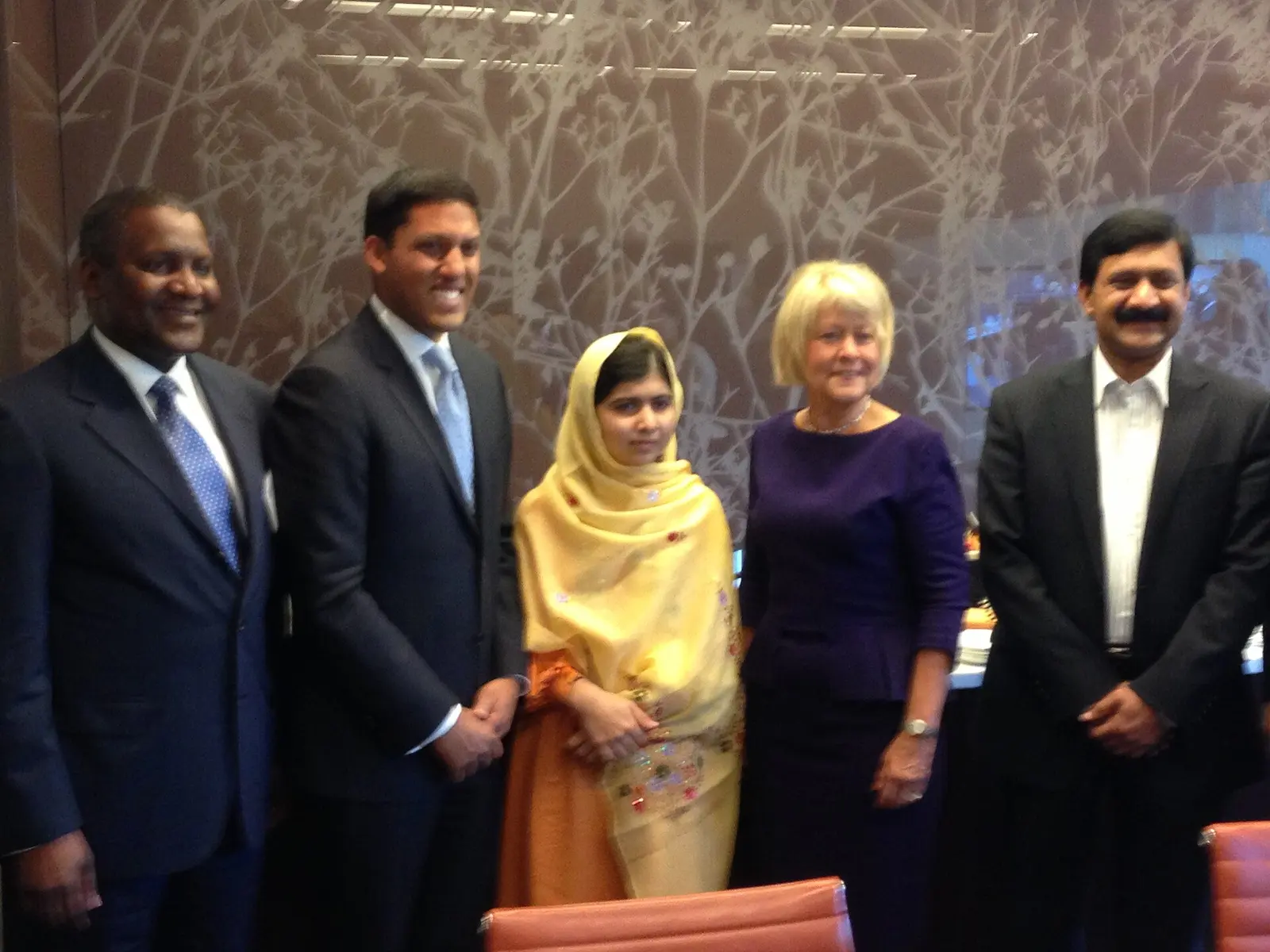
Ghana is examining a proposed cocoa-processing arrangement involving Nigerian industrialist Aliko Dangote, in a move that could connect two of West Africa’s largest economies around a higher-value stage of the cocoa trade. Finance Minister Cassiel Ato Forson said Dangote had approached the government about processing 500,000 metric tonnes of cocoa in Ghana and that the parties were reviewing terms. The minister’s comments do not amount to a signed contract: the proposal remains under discussion.
That distinction is essential because the headline volume has prompted questions that have not yet been answered publicly. Reporting has not established whether 500,000 tonnes refers to annual throughput, a total quantity over a period, or another proposed supply arrangement. Nor have the parties disclosed a site, investment cost, construction schedule, financing structure or binding commitments. Until those details are settled, Ghana’s cocoa-processing ambition is the clearest context for the proposal, not proof that a new facility will be built.
What the minister has said
Forson disclosed the approach in a television interview after presenting Ghana’s 2027 budget to Parliament. He said Dangote had expressed interest in using Ghana as a hub to process cocoa locally and that discussions over the terms were continuing. MyJoyOnline and Graphic Online both reported the minister’s comments. The accounts describe an approach and negotiations, not a completed agreement or government approval of a specific industrial project.
According to coverage of the interview, Dangote had contacted Forson and President John Dramani Mahama. But the public statements did not identify the proposed processor or operating partners, explain whether existing facilities would be used, or set out how raw beans would be sourced and allocated. Dangote Group had not publicly announced a signed cocoa contract in the cited reports. Those gaps leave the commercial shape of the proposal open.
Why processing matters to Ghana
Ghana is one of the world’s leading cocoa producers, yet the economic value of cocoa is not captured only at the farm gate. Processing beans into cocoa liquor, butter and powder, and then into finished products, can support industrial employment, supplier networks, technical skills and export earnings further along the chain. The potential gains depend on whether processing is commercially viable and whether local businesses, workers and farmers share in the value created.
The government has set a target of processing at least half of Ghana’s cocoa domestically by 2028 and all of it by 2030, according to Forson’s remarks reported by local media. The minister also said a Cocoa Board Act under consideration would include a local-processing requirement, with a legislative instrument setting out a timetable. These are policy intentions and proposed legislation; they should not be confused with rules already in force. The policy path will depend on Parliament, implementation details and how requirements affect farmers, buyers and processors.
The proposed Dangote arrangement could be one way to add capacity or demand for local processing, but its contribution cannot be measured from the 500,000-tonne figure alone. The missing volume basis matters. If annual, it would imply a very large recurring supply requirement; if it is cumulative, the scale and timetable would be different. The government and company would need to clarify the unit, duration and relationship to Ghana’s crop and other processors before the public can assess whether the proposal is achievable.
Supply and farmer incentives are part of the business case
A processing plant needs reliable bean supply, working capital and predictable commercial arrangements. Cocoa production fluctuates with weather, tree health, farm investment and the crop cycle. A buyer may want consistent volumes through the year, while farmers and the state marketing system must manage harvests, quality, prices and export obligations. A new processor would need a transparent sourcing plan that explains how it fits alongside existing domestic and export channels.
Any value-addition strategy must also work for farmers. Processing closer to production can create jobs and keep more industrial activity in Ghana, but it does not automatically raise the price paid to growers or improve farm incomes. Those outcomes depend on the pricing formula, the costs of compliance and logistics, competition among buyers, and whether productivity investments reach cocoa-growing communities. A large industrial customer can strengthen demand, yet concentration among a small number of buyers could also weaken farmers’ bargaining options if safeguards are not considered.
Commercial viability is another test. Processing requires equipment, energy, maintenance, quality control and access to export markets for intermediate or finished goods. The relevant question is not simply whether Ghana has cocoa, but whether a facility can operate competitively and consistently. A project assessment should disclose expected capacity utilisation, energy needs, capital requirements, products, customers and the route from farm to factory to market.
Regional investment, Ghanaian accountability
The talks illustrate how regional capital can support industrialisation within Africa. Dangote’s group has interests across several sectors and countries, while Ghana is seeking to retain more value from a major agricultural export. A cross-border investor can bring finance, operating experience and access to markets. But those possibilities need to be translated into terms that protect the public interest and build durable local capability.
Ghanaian authorities should make clear whether the proposal is for a new factory, an expansion, a supply contract with an existing processor, or a combination of these. They should explain the anticipated ownership and financing, the role of the Ghana Cocoa Board, the labour and environmental standards, and any tax or infrastructure support requested. Publishing the final agreement, once negotiated, would allow farmers, workers, investors and the public to understand who carries the risks and who receives the benefits.
The timeline is also important. The government’s processing targets are dated, but the available reports provide no construction schedule or start date for the proposed arrangement. Large projects can move from announcement to feasibility work, permitting, financing and construction over several years. Policymakers should therefore distinguish near-term progress, such as a signed agreement or a completed feasibility study, from longer-term outcomes like operating capacity and increased locally processed exports.
The next milestone is clarity, not the headline number
Ghana has a strategic reason to pursue more local cocoa processing, and a potential regional investor could help advance that goal. Yet the proposal will only become meaningful when its commercial terms are public and credible: what the 500,000 tonnes represents, where processing would take place, how supply would be secured, how much capital would be invested and when operations could begin.
For now, the measured conclusion is that the government is in talks with Dangote over a sizeable cocoa-processing proposal, while the agreement and its details remain unresolved. Ghana’s success should ultimately be judged not by the announcement alone but by whether investment materialises, facilities operate reliably, farmers receive sustainable incentives and more value is retained in the country. Those are the tests that will determine whether a regional business proposal becomes a lasting industrial gain.
Reporting note: The proposed arrangement and the minister’s statements are attributed to interviews and reports by MyJoyOnline, Graphic Online and Nairametrics. No signed contract, annual volume commitment, project site, investment cost or construction timetable was confirmed in the cited coverage.