Malaria elimination gains from science face hurdles in implementation in Africa
Recent scientific advances, including vaccines and satellite monitoring, have strengthened malaria control efforts. However, sub-Saharan Africa continues to bear 95% of malaria cases and deaths. Challenges remain in translating scientific knowledge into timely preparedness, effective policy, and community action. Experts call for linking early warnings to practical plans, improving access to prevention and treatment, and enhancing program leadership and coordination.
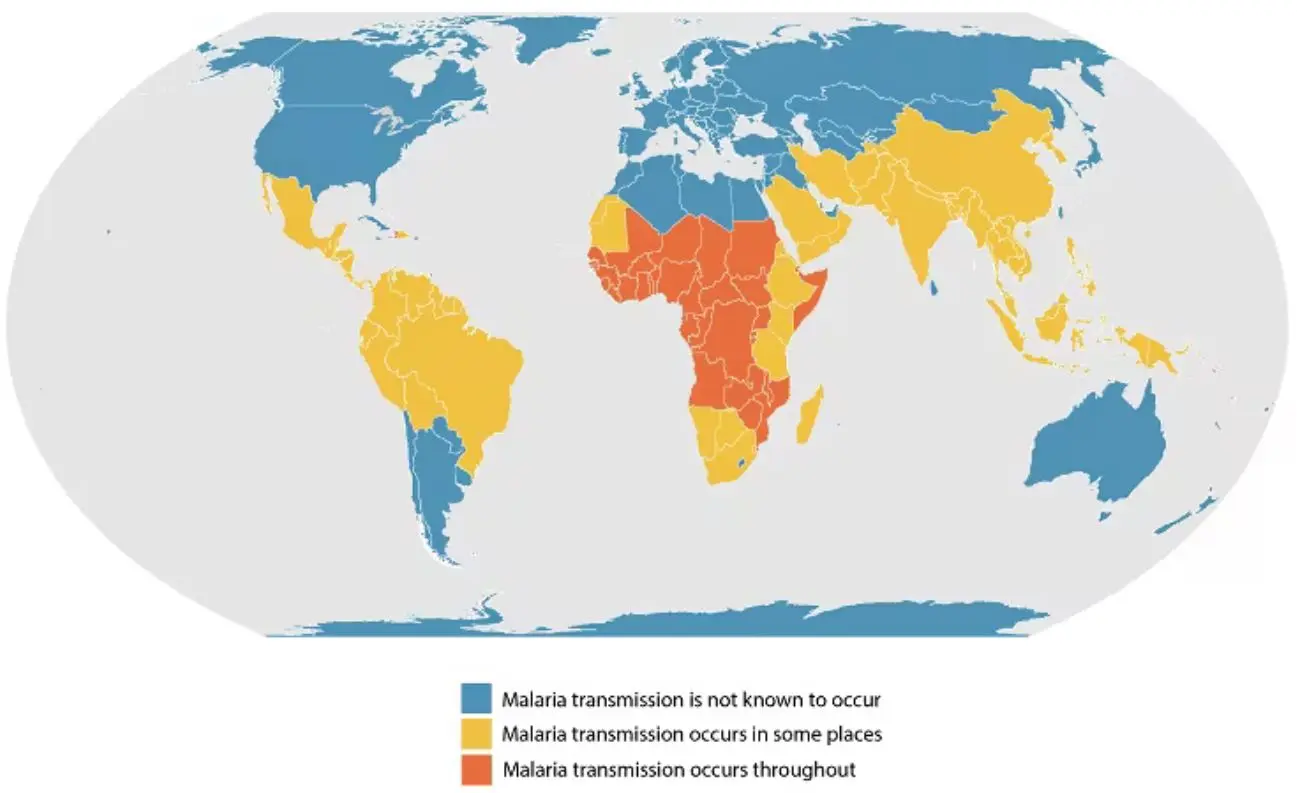
Scientific advances have brought malaria elimination closer to reality, but significant challenges persist in sub-Saharan Africa, which accounts for about 95% of global malaria cases and deaths.
Over the past two decades, improvements such as two malaria vaccines, sensitive diagnostic technologies, parasite genomics, drug-resistance surveillance, and satellite-based environmental monitoring have strengthened malaria control efforts. However, progress remains uneven.
Researchers at the University of Pretoria’s Institute for Sustainable Malaria Control highlight three major barriers: the gap between prediction and preparedness, where early warnings do not always lead to timely responses; the gap between evidence and implementation, where scientific knowledge fails to inform policy effectively; and the gap between awareness and behaviour, where socioeconomic barriers hinder protective actions despite awareness.
For example, Ethiopia’s early-warning system in Bahir Dar in 2020 successfully identified a high malaria burden, prompting preparedness and targeted interventions.
To improve outcomes, malaria programs should connect early warnings with practical preparedness plans, ensure prevention and treatment are accessible beyond mere awareness campaigns, and strengthen leadership, resources, and coordination.