Senegal Boat Disaster Toll Rises to 34
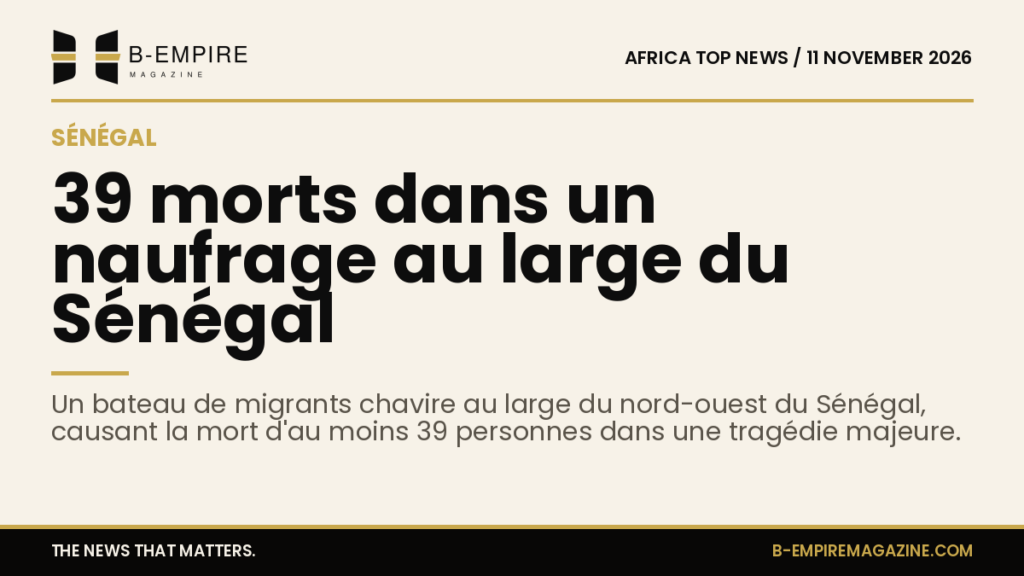
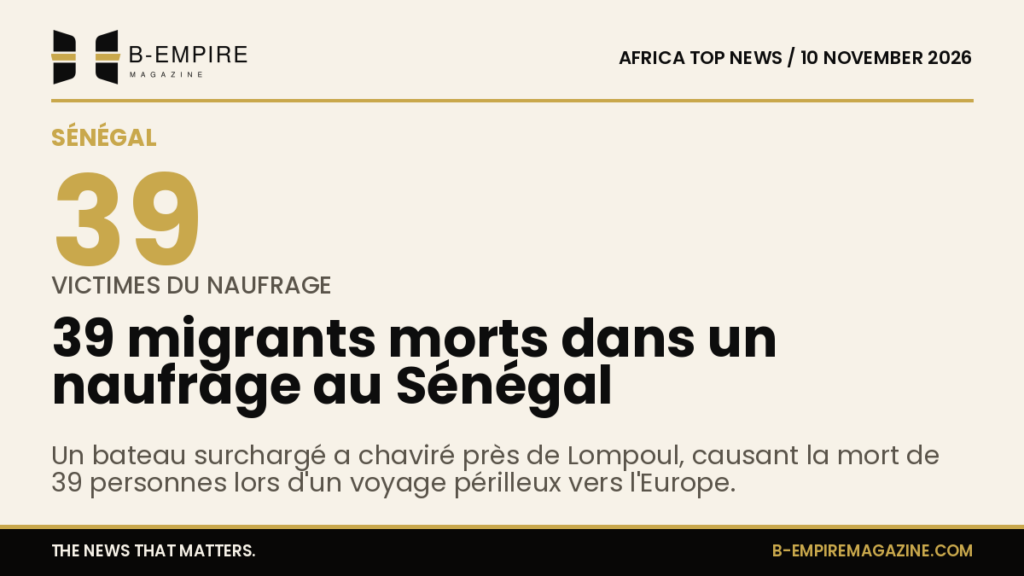
The reported death toll from a boat disaster off Senegal’s Kébémer coast rose from 21 to 34 on Sunday, with one survivor reported. The number of people aboard and the circumstances of the sinking remain unknown as authorities continue recovery work and families await information.
The reported death toll from a boat disaster off Senegal’s northwestern coast rose to 34 on Sunday, according to the Senegalese Press Agency (APS), which cited an official source. One survivor was reported. The update followed an earlier provisional government count of 21 bodies and one survivor as of Saturday evening. Authorities have not announced how many people were aboard or established the circumstances of the sinking.
The boat went down near Kébémer, in the Louga region, off the coast around Loumpoul. Senegal’s Ministry of the Interior and Public Security said search teams had been mobilised to look for possible survivors and support affected families. APS reported that the regional governor visited the area on Sunday as authorities worked to identify and preserve the recovered bodies. The interior minister was expected to visit on Monday.
Why the changing toll needs careful reading
The change from 21 to 34 is a development in the recovery operation, not a final account of everyone who may have been on the boat. The ministry described its first figure as provisional, and APS later reported the higher toll. The number of passengers remains unknown, so the current count cannot establish how many people are missing. Authorities have also not published a detailed account of what caused the vessel to sink.
That distinction matters in a fast-moving emergency. Early figures can reflect the bodies recovered and information verified at a particular moment, while further searches and identification work change what is known. Reporting each update with its source and timing helps readers understand what has changed without treating provisional counts as final. It also prevents separate figures from being added together as though they were different groups of victims.
For relatives, the gap between a recovered body, a confirmed identity and a complete passenger list can be agonising. Identification is a separate process from recovery, and families may need to provide information that helps authorities establish who was aboard. The government’s statement referred to assistance for affected families, while local reporting described officials visiting the area. Clear public channels for families to share information and receive verified updates are essential as the work continues.
What is known, and what remains unanswered
Available reporting places the incident off the Kébémer coast, in northwestern Senegal. The ministry’s late Saturday update gave a provisional count of 21 deaths and one survivor; APS’s Sunday report raised the death toll to 34 and again reported one survivor. Search and recovery activity was continuing. These are the main facts currently supported by official statements and local reporting.
Several important details have not been confirmed publicly: the total number of people on board, the vessel’s departure point, its intended destination, the sequence of events at sea and the precise cause of the sinking. Until authorities release verified information, it would be premature to state how the disaster unfolded or assign responsibility. Investigators may need to compare survivor testimony, witness accounts, vessel information and the timing of distress reports, if available.
Those unanswered questions are not minor. They determine the scale of any search for missing people, inform families’ efforts to identify victims and shape any later inquiry into safety or criminal networks. Preserving evidence and providing accurate information should accompany the immediate humanitarian response. The public also needs a clear distinction between what officials have confirmed and what remains under investigation.
A dangerous Atlantic route
The tragedy has renewed attention on irregular migration by sea from West Africa toward Spain’s Canary Islands. The Associated Press, citing the Spanish migrant-rights group Walking Borders, reported that at least 635 people died on the Atlantic route in the first five months of 2026. That figure describes a broader regional danger; it does not identify the route, plans or circumstances of the people involved in the Kébémer disaster.
Sea journeys on small or unsuitable vessels can become deadly when weather changes, engines fail, boats are overloaded or people are far from rescue services. But the available information on this specific sinking is not enough to say which, if any, of those factors played a role. Careful reporting should not turn general risks into an assumed explanation for an individual loss of life.
Senegal’s government said it would strengthen cooperation with neighbouring countries to combat smuggling networks and reiterated a commitment to young people’s social and economic inclusion. Those are two different policy tracks. Enforcement may target people who organise dangerous crossings, while longer-term economic and social measures address some of the pressures that officials say can make migration appealing. Neither should be presented as a quick answer to the families facing this disaster now.
The next priorities
In the immediate term, the priorities are to continue searching for possible survivors, identify those who died, inform relatives and provide support to affected communities. Authorities’ next public updates should clarify whether the recovery operation has ended, whether the reported count has changed and what is known about the vessel and the people aboard. Until that information is available, the reported death toll should remain attributed and provisional in character.
Beyond the emergency, a credible response will require transparent investigation and sustained attention to safe, lawful options for movement, as well as cooperation across the region. The ministry has called for vigilance and pledged action against smuggling networks; the effectiveness of that response will depend on evidence, coordination and follow-through. Public policy should be assessed by whether it reduces deaths and protects people, not only by the number of enforcement announcements made after a tragedy.
For now, the central fact is a devastating loss of life off Senegal’s coast. APS reported 34 deaths and one survivor on Sunday, after an earlier provisional count of 21 deaths. The total number aboard, the identities of all victims and the circumstances of the sinking remain unclear. Keeping those uncertainties visible is part of treating the people affected with accuracy and respect.