Study finds West African climate policies overlook invisible losses from disasters
Research on climate policies from Burkina Faso, Ghana, Nigeria, Senegal and Sierra Leone reveals that while these countries acknowledge physical damages from climate disasters, they often neglect less visible losses such as cultural heritage, mental health, and community ties. This gap complicates recovery and support coordination, highlighting the need for clearer responsibilities and broader recognition of loss and damage in West Africa's climate strategies.
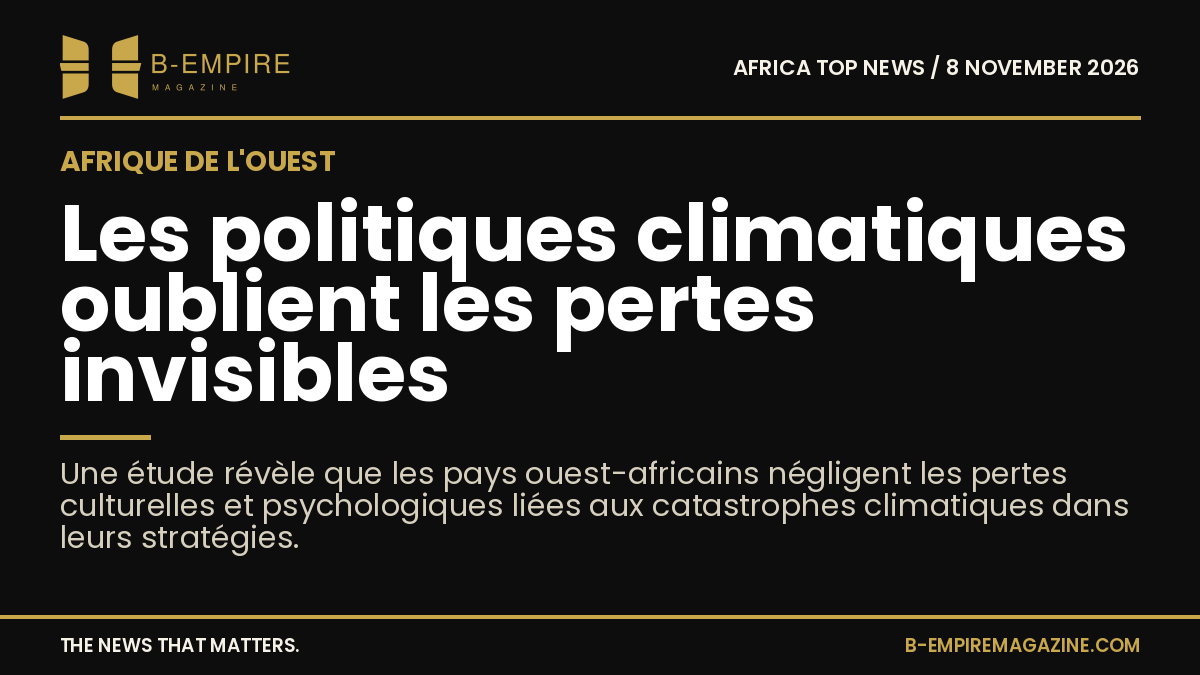
West African climate plans acknowledge the costs of damage to infrastructure and livelihoods caused by climate disasters but often fail to recognize losses related to culture, mental health, and community connections, according to researchers analyzing policies from Burkina Faso, Ghana, Nigeria, Senegal, and Sierra Leone.
The study found that each country addresses climate-related losses and damages differently, leading to unclear responsibilities for assessing impacts and coordinating support. While rebuilding physical structures is essential, communities also suffer from the loss of sacred places, emotional distress, and weakened social bonds, which are less visible but critical to recovery.
The researchers emphasize that recognizing these invisible losses can guide better-informed decisions and more meaningful assistance, moving beyond repairing infrastructure to restoring lives with dignity. They call for governments to clarify assessment roles and incorporate cultural and mental health considerations into climate loss and damage frameworks.